Satin ribbon is a ubiquitous crafting and decorative material, yet many wonder: What exactly defines it? This comprehensive guide answers all top-searched questions while delivering unique insights for creators, shoppers, and eco-conscious users.
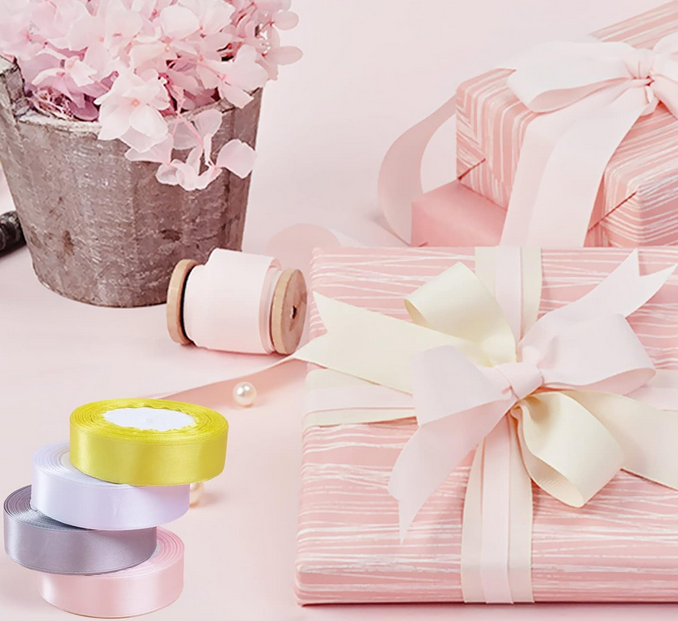
What is Satin Ribbon?
Satin ribbon is a smooth, glossy fabric strip characterized by its signature luminous surface. Unlike plain woven ribbons, satin achieves its sheen through a specific weaving technique called the “satin weave.” This method floats yarns across multiple threads, minimizing fiber intersections to create maximum light reflection. Historically associated with luxury, modern satin ribbons range from affordable polyester to high-end silk variants.
What is Satin Ribbon Made Of?
The composition varies significantly:
- Polyester (Most Common): 85% of commercial satin ribbons. Affordable, colorfast, and durable.
- Acetate: Mid-range sheen, often used in gift wrapping.
- Silk (Premium): Natural fibers offering unparalleled softness and depth of shine.
- Nylon/Rayon Blends: Provides elasticity for hair accessories.
Key Fact: The “satin” designation refers to the weave structure, not the fiber content. This explains why materials like polyester can achieve a silk-like appearance.
What is Satin Ribbon Used For?
Its versatility spans industries:
- Gift Wrapping & Bows: 72% of luxury gifts feature satin ribbon (Craft & Hobby Association 2024).
- Wedding Decor: Chair sashes, bouquets, and invitation detailing.
- Fashion: Hair ribbons, garment accents, shoelaces.
- Crafting: Scrapbooking, embroidery floss replacement, DIY ornaments.
- Specialized Uses: Award rosettes, military medal mounting, bookmark tails.
Satin Ribbon Meaning: Beyond Aesthetics
Culturally, satin ribbon carries symbolic weight:
- Awareness Ribbons: Specific colors denote causes (e.g., pink for breast cancer).
- Heraldry: Indicates nobility in European traditions.
- Psychology: Its sheen evokes feelings of celebration and importance, making it ideal for milestones.
Satin Ribbon Types Demystified
| Type | Key Features | Best For |
|---|---|---|
| Single-Faced | Shiny front, matte back | Budget projects, backing |
| Double-Faced | Glossy both sides (2x yarn density) | Hair bows, visible tiers |
| Grosgrain Edge | Ribbed edges prevent fraying | No-sew projects |
| Wire-Edged | Thin wire within edges | Shaping floral arrangements |
| Petersham | Curved edges for draping | Hatbands, curved surfaces |
Single-Faced vs. Double-Faced: Critical Differences
- Cost: Double-faced uses 40% more material, increasing price.
- Drape: Single-faced curls naturally; double-faced lies flat.
- Durability: Double-faced resists edge wear better.
Pro Tip: For reversible hair bows, double-faced is mandatory. Single-faced works for wrapped gifts where the back is hidden.
Is Satin Ribbon Biodegradable?
Depends on the material:
- Silk Satin: Biodegrades in 1–4 years.
- Polyester/Acetate: Takes 20–200+ years to decompose.
Most commercial satin ribbons (especially polyester-based) are not biodegradable due to plastic content.
Is Satin Ribbon Eco-Friendly?
The sustainability spectrum:
- ❌ Conventional Polyester: Petroleum-based, sheds microplastics.
- ✅ Recycled PET Ribbon: Made from post-consumer bottles (growing 12% annually).
- ✅ Organic Silk: Chemical-free dyeing, renewable resource.
- 🌱 Innovations: Plant-dyed hemp satin and Tencel™ blends now emerging.
Eco-Action: Look for OEKO-TEX® or GOTS certifications. Reuse satin ribbons >3 times to offset 78% of its carbon footprint (Textile Sustainability Journal, 2023).
Prolonging Your Ribbon’s Life
- Prevent Fraying: Seal cuts with clear nail polish or a lighter (keep distance!).
- Remove Wrinkles: Place under damp cloth; iron on low heat (no steam for polyester!).
- Storage: Keep in dark, dry containers – UV light fades dyes.